Li-Cycle has finalised a loan of nearly half a million dollars with the DOE’s Loan Programs Office (LPO) to scale up its battery recycling facilities in the US, with the near-term direction of the LPO under a Trump administration likely to change.
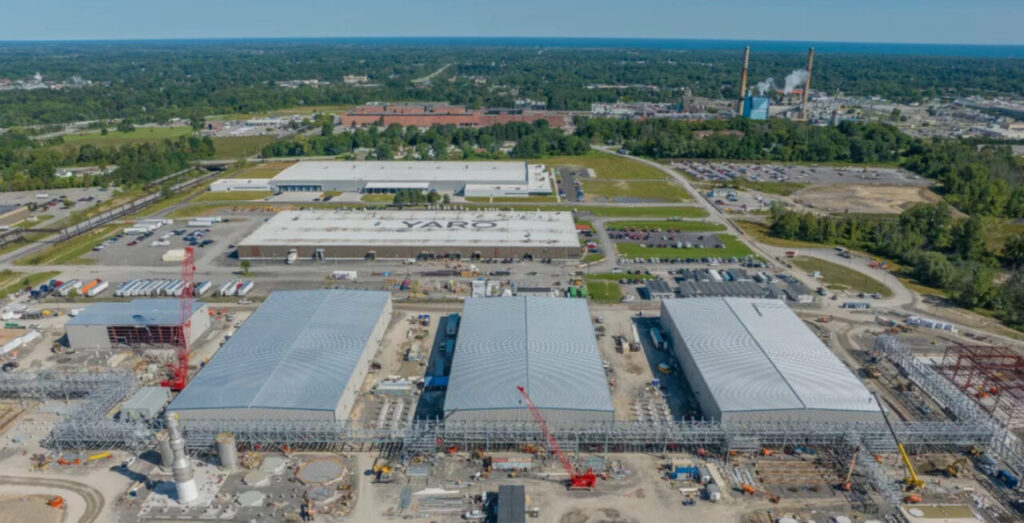
The US$475 million loan agreement will enable Li-Cycle to progress financing arrangements to resume construction of its hydrometallurgical battery recycling ‘hub’ plant in Rochester, New York, which has been on hold since December 2023 after projected costs nearly doubled to nearly US$1 billion. At full capacity, that plant will process black mass from Li-Cycle’s three ‘spokes’ into enough lithium carbonate for 180,000 electric vehicles (EVs) annually.
The announcement on 7 November came two days after Trump’s election win, and Reuters reported that ‘Biden officials had rushed to close ahead of Trump’s return’.
The loan to Li-Cycle was initially sized at US$375 million when it was first committed to by the Department of Energy (DOE) LPO in February 2023. It was later criticised by Republican lawmakers in light of the company’s struggles but work on it pressed ahead.
Try Premium for just $1
- Full premium access for the first month at only $1
- Converts to an annual rate after 30 days unless cancelled
- Cancel anytime during the trial period
Premium Benefits
- Expert industry analysis and interviews
- Digital access to PV Tech Power journal
- Exclusive event discounts
Or get the full Premium subscription right away
Or continue reading this article for free
“The loan demonstrates DOE’s role in supporting a strong domestic EV battery and critical materials supply chain, which is critical to strengthening America’s national and energy security,” said LPO head Jigar Shah in an authored piece announcing the news. The Rochester hub will create 200 permanent jobs.
Li-Cycle still needs to complete its base equity contribution to the Rochester project, including settling existing commitments relating to its costs totalling US$92 million and fund US$173 million in reserve account requirements to get the first advance of the LPO’s loan.
In a Q3 earnings call, CEO Ajay Kochhar said the firm is “actively evaluating financing and strategic options for a full funding package needed to restart construction of the Rochester Hub project, which includes meeting requirements for the first advance of the DOE loan.” The company listed in 2021 via a special purpose acquisition company (SPAC) transaction.
The loan to Li-Cycle is under the LPO’s Advanced Technology Vehicles Manufacturing (ATVM) Loan Program, which provides funding to EV and battery supply chain companies.
The LPO lay largely dormant under the Trump administration from 2016 to 2020 and was revived under Joe Biden, with Shah holding some US$400 billion in loan authority.
The department has announced loans or loan guarantees to other US clean energy tech firms including another recycler Redwood Materials and lithium-ion firm Kore Power, as well as downstream projects like a massive green hydrogen hub in Utah, and solar and storage projects with wider community benefits in California and Puerto Rico.
Although Trump has not publicly discussed plans to claw back the LPO or the DOE’s clean energy activity, the influential right-wing think tank the Heritage Foundation has recommended that he ” sunset DOE’s loan authority through Congress and eventually eliminate the Loan Program Office.”
Energy-Storage.news has asked a DOE spokesperson whether the change in administration will affect announced loans and grants (from the DOE more broadly) that have not yet closed, as well as dedicated funds that have not yet been allocated to companies or projects.