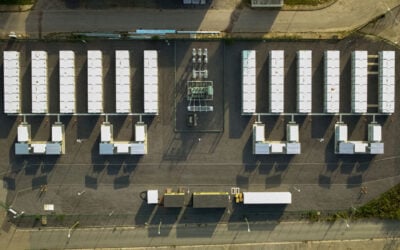
Kokam has now supplied 56MW of battery systems to KEPCO in South Korea. Image: Kokam.
Korean firm Kokam has supplied two lithium nickel manganese cobalt (NMC) oxide batteries to utility Korea Electric Power Corporation (KEPCO) for frequency regulation on the South Korean grid.
The two systems, one 24MW (9MWh) the other 16MW (6MWh), add to a 16MW lithium titanate oxide (LTO) battery already installed by Kokam for KEPCO last year.
Kokam claims the 24MW battery is the largest lithium NMC battery in the world deployed for frequency regulation purposes.
Together the three systems form part of a bigger battery project under which 500MW of battery storage will be installed by 2017.
Try Premium for just $1
- Full premium access for the first month at only $1
- Converts to an annual rate after 30 days unless cancelled
- Cancel anytime during the trial period
Premium Benefits
- Expert industry analysis and interviews
- Digital access to PV Tech Power journal
- Exclusive event discounts
Or get the full Premium subscription right away
Or continue reading this article for free
The storage units are expected to help KEPCO reduce its need for spinning power reserve to ensure grid stability. This will save an estimated US$13 million in fuel costs every year, amounting to three times the cost of the storage systems’ purchase price their lifetime, according to a Kokam statement.
“Kokam specialises in the development of advanced battery technologies for the world’s most demanding energy storage system applications, including frequency regulation, which needs systems that deliver high power, fast recharge rates and long cycle lives,” said Ike Hong, vice president of Kokam’s Power Solutions Division. “Our energy storage systems provide KEPCO with the performance it needs to precisely and cost-effectively regulate frequency on the South Korean grid, helping it ensure the stability of this grid, improve its operational efficiency and lower its greenhouse gas emissions.”
Hwang Woohyun, KEPCO’s senior vice president, head of Innovative Energy Business Division, said: “Kokam’s 56MW of Energy Storage Systems are making a major contribution to the stabilisation of our grid, and we hope to continue to cooperate with Kokam to develop energy storage projects that improve grid reliability, lower our operational costs and reduce our environmental impact.”