Penny Sharpe, the New South Wales energy minister, has announced plans to legislate a new long-duration energy storage (LDES) target for the Australian state of 28GWh by 2034.
According to the newly released position paper, the new LDES target, which in New South Wales is defined as at least 8 hours in duration, will complement the existing 2GW at 16GWh by 2030 goal and create a “clear investment signal to incentivise sufficient infrastructure to be built to address scheduled coal-fired power station closures” something that is expected to happen by 2038.
The proposed target follows a government consultation paper released in May 2024 as part of a review of LDES technologies in the Australian state. The Australian Energy Market Operator (AEMO) Services was commissioned to advise on NSW’s storage requirements to support this review.
Stakeholders expressed concerns that AEMO modelling did not factor in any cases post-2030, beyond the existing LDES target date. This was particularly due to the closure of coal-fired plants and increased reliance on variable renewable energy generation.
Try Premium for just $1
- Full premium access for the first month at only $1
- Converts to an annual rate after 30 days unless cancelled
- Cancel anytime during the trial period
Premium Benefits
- Expert industry analysis and interviews
- Digital access to PV Tech Power journal
- Exclusive event discounts
Or get the full Premium subscription right away
Or continue reading this article for free
Alongside this, there were concerns about the certainty of the closure of the coal-fired plants. Stakeholders believe there could be early closures due to increased difficulty in financing, public pressure to divest from coal, and issues with finding affordable and quality coal supplies.
NSW to maintain 8-hour minimum duration for LDES
Another aspect that brought debate across the energy industry was a plan to reduce the LDES definition to 4-hours in New South Wales, something the global LDES Council trade association argued against, stating that it “strongly recommends” maintaining an 8-hour duration.
The position paper confirms the government will retain the 8-hour duration definition, stating that it should remain to “maintain policy certainty, particularly due to the long lead times and significant capital expenditure required for LDES projects”.
LDES in New South Wales
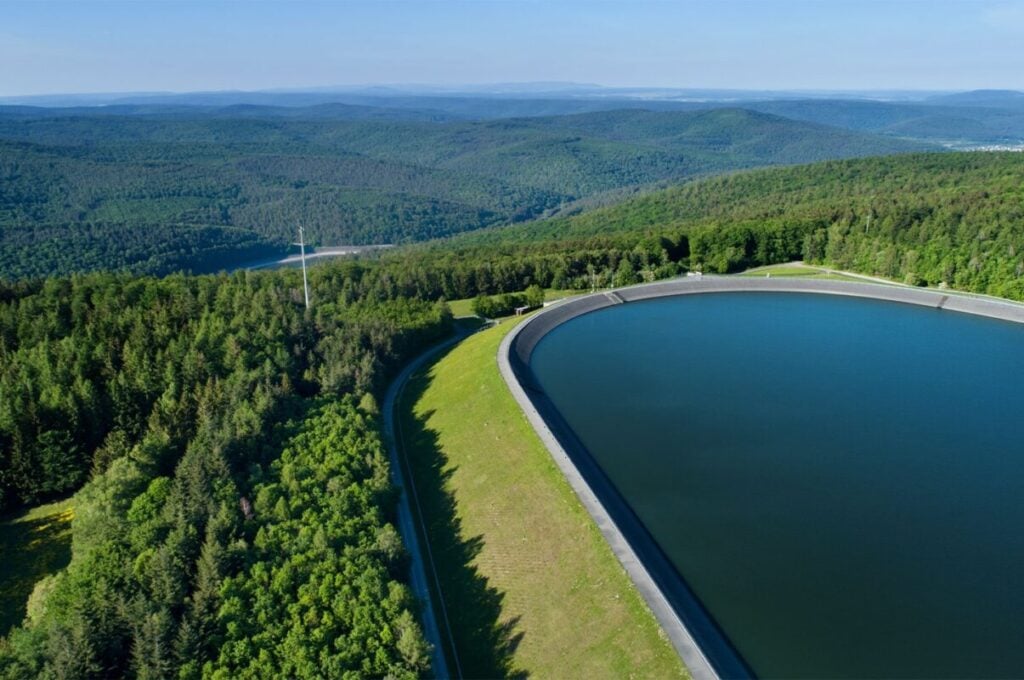
LDES technologies and projects are a vital part of the state’s energy system, providing renewable electricity in periods of peak demand. The growing importance of the technology saw three pumped hydro energy storage (PHES) projects, Stratford, Muswellbrook and Lake Lyell PHES projects, named Critical State Significant Infrastructure (CSSI) for economic, social, and environmental reasons. PHES is a form of LDES.
In May, German energy company, RWE, reached a final investment decision (FID) on Australia’s first long-duration lithium-ion battery energy storage project adjacent to its existing 249MWac Limondale Solar Farm, about 16km from the nearest town, Balranald, NSW.
The FID comes after RWE won the NSW government’s first tender for LDES and was awarded a Long-Term Energy Service Agreement just over a year ago. Tendered for by AEMO Services on behalf of the state government, contracts for a total of 1.4GW of resources have been awarded.
This showcases the need for further governmental support and policy to develop 8-hour LDES projects.