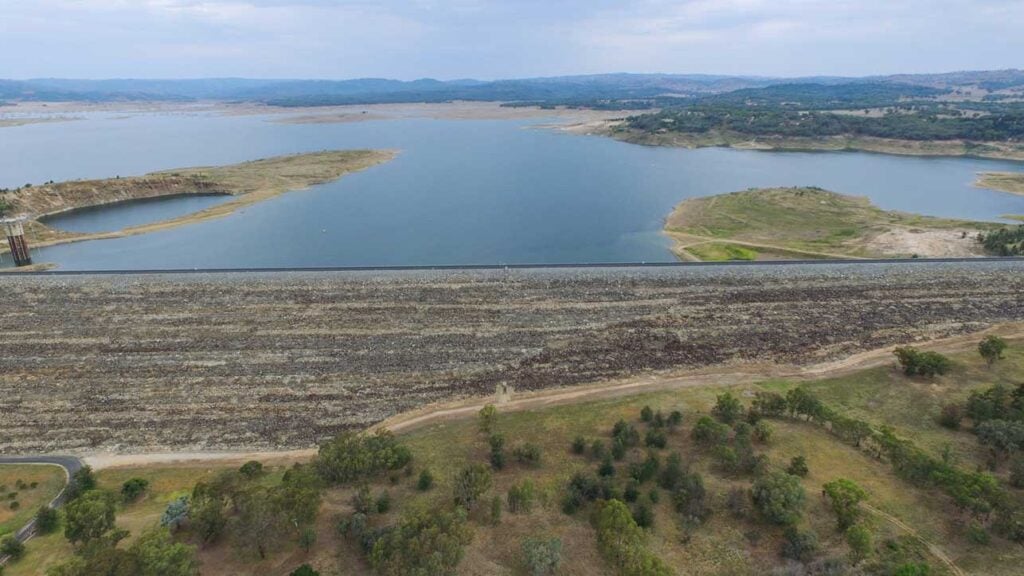
Australian energy major AGL Energy has today (8 May) acquired two pumped hydro energy storage (PHES) sites in the Hunter region of New South Wales, totalling 13,930MWh.
The two early-stage PHES sites, which are both 10-hour durations, have been fully acquired from renewable energy developer Upper Hunter Hydro Top Trust. The two projects are the 770MW/7,700MWh Glenbawn and 623MW/6,230MWh Glennies Creek sites.
Markus Brokhof, AGL’s chief operating officer, emphasised the importance of pumped hydro in providing the state with long-duration energy storage (LDES) capabilities.
“It is crucial that the future energy system is developed with a spectrum of storage and firming, encompassing short, medium, and long-term storage technologies,” Brokhof said.
Try Premium for just $1
- Full premium access for the first month at only $1
- Converts to an annual rate after 30 days unless cancelled
- Cancel anytime during the trial period
Premium Benefits
- Expert industry analysis and interviews
- Digital access to PV Tech Power journal
- Exclusive event discounts
Or get the full Premium subscription right away
Or continue reading this article for free
“Developing PHES and other synchronous long-duration storage is integral to ensuring reliability and affordability as Australia transitions to a renewable energy system.”
AGL has set itself a target of adding 12GW of new renewable energy generation and firming by 2035. The organisation has another pumped hydro site in New South Wales, the 3.2GWh Muswellbrook pumped hydro project, which is also located in the Upper Hunter region and currently in development.
The Glenbawn and Glennies Creek PHES sites are located at reservoirs owned by WaterNSW, a state-owned company that is also exploring opportunities to implement PHES at 41 of its dams in New South Wales.
Glenbawn Dam is located approximately 10km east of Scone, while Glennies Creek is approximately 28km north of Singleton.
Each site will feature a pumped hydro energy storage project with the potential to develop a co-located wind development.
The pumped hydro projects will involve constructing a purpose-built upper reservoir connected to WaterNSW’s lower reservoir through underground tunnels and a power station.
During times of excess energy in the market, water will be pumped to the upper reservoir. When electricity demand arises, water will be released from the upper reservoir through the power station to generate electricity for the market.
The proposed projects would be located within the Hunter-Central Coast renewable energy zone (REZ). If constructed, the pumped hydro projects will provide significant long-duration storage and support renewable energy developments in the region.
Upper Hunter Hydro was selected through a competitive tender process in February 2024 to develop the projects as part of WaterNSW’s Renewable Energy and Storage Program.