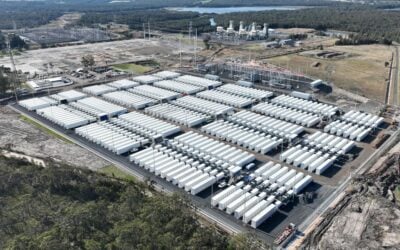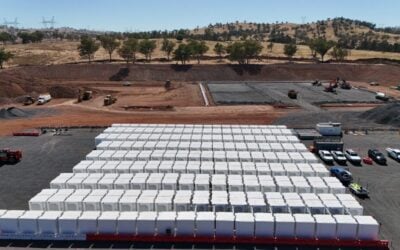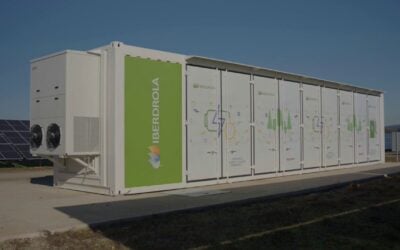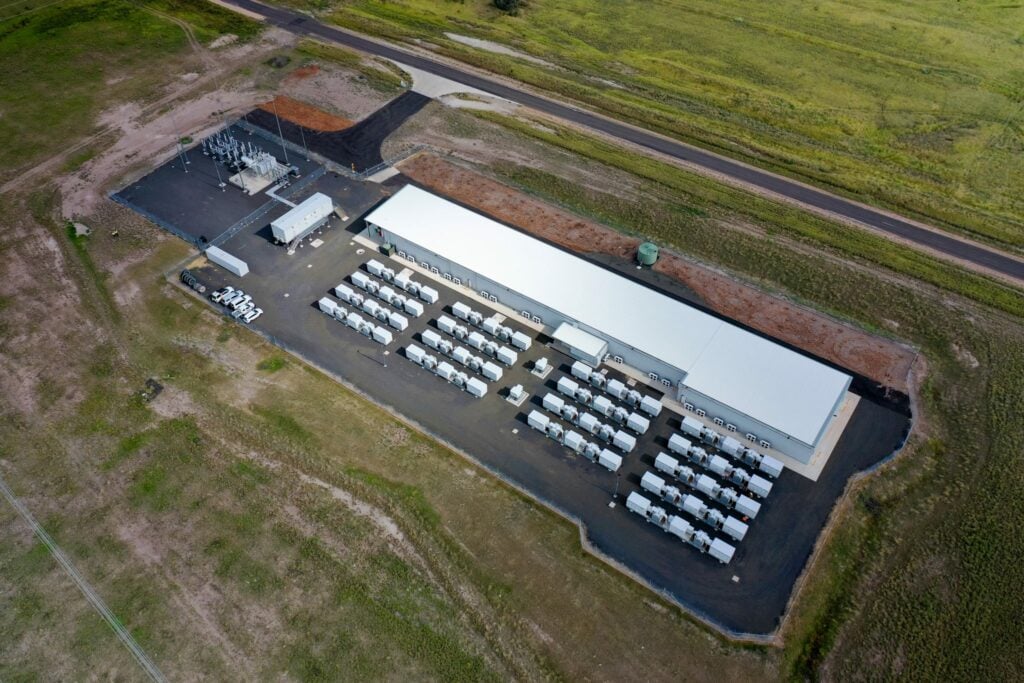
The Australian Energy Market Operator (AEMO) has found that battery energy storage systems (BESS) are the most reliable clean energy technology in the National Electricity Market (NEM).
According to AEMO’s new 2025 Electricity Statement of Opportunities report, battery energy storage systems demonstrate the highest reliability, with approximately 70% of the NEM’s fleet having experienced unplanned outage rates of only 0-5%.
It adds that longer-duration storage, defined as 4-hours or more, is more effective at reducing reliability risks than shorter-duration storage. This is because in 2030-31, expected USE in South Australia is forecast to exceed the reliability standard, with some shortfall events lasting more than four hours.
In such conditions, AEMO said 2-hour battery storage systems are typically exhausted early, providing no reliability benefits for later hours of the forecast USE event. By contrast, longer duration storage can sustain output over a larger portion or even across the full duration of these USE events.
Try Premium for just $1
- Full premium access for the first month at only $1
- Converts to an annual rate after 30 days unless cancelled
- Cancel anytime during the trial period
Premium Benefits
- Expert industry analysis and interviews
- Digital access to PV Tech Power journal
- Exclusive event discounts
Or get the full Premium subscription right away
Or continue reading this article for free
Energy storage deployment to tackle grid reliability gaps
Energy storage continues to emerge as a critical component of Australia’s energy transition strategy. AEMO’s report reveals various storage durations and their effectiveness in meeting reliability standards, providing crucial insights for developers and policymakers.
Indeed, several different technology combinations in South Australia could be sought to help reduce expected unserved energy (USE) and meet reliability standards by 2030-31.
For instance, AEMO states that 820MW of 2-hour storage would be required to reduce expected USE to meet the reliability standard. In contrast, less than half that capacity is needed if the storage has a duration of 4-hours or more – specifically, 365MW of 4-hour storage would suffice.
The report also demonstrates that longer-duration storage options could provide increasingly efficient solutions: 6-hour duration storage, for example, would require 320MW. In contrast, 8-hour storage would need approximately 315MW to achieve the same reliability outcomes.
According to AEMO, hybrid configurations show even greater efficiency gains. When wind is combined with 4-hour duration energy storage, the requirement drops to 295MW of storage co-located with 590MW of wind generation.
Similarly, solar PV combined with 4-hour storage would require 285MW of energy storage alongside 570MW of solar. The most efficient configuration examined involves a combination of wind, solar and 4-hour storage, requiring 280MW of storage, 555MW of wind and 140MW of solar.
To read the full article, please visit our sister site PV Tech.
Our publisher Solar Media will be hosting the Energy Storage Summit Australia 2025 in Sydney from 18-19 March. You can get 20% off your ticket by following the link here.